Stele of Meny
about 2100 B.C.
FindspotDendara, Egypt
Medium/TechniqueLimestone
DimensionsOverall: 68.5 x 52.5 x 9.5 cm (26 15/16 x 20 11/16 x 3 3/4 in.)
Framed (Aluminum wall frame/ 4 security tabs): 55.2 x 83.8 x 10.8 cm (21 3/4 x 33 x 4 1/4 in.)
Framed (Aluminum wall frame/ 4 security tabs): 55.2 x 83.8 x 10.8 cm (21 3/4 x 33 x 4 1/4 in.)
Credit LineEgypt Exploration Fund by subscription
Accession number98.1034
On View
On viewClassificationsArchitectural elements
Collections
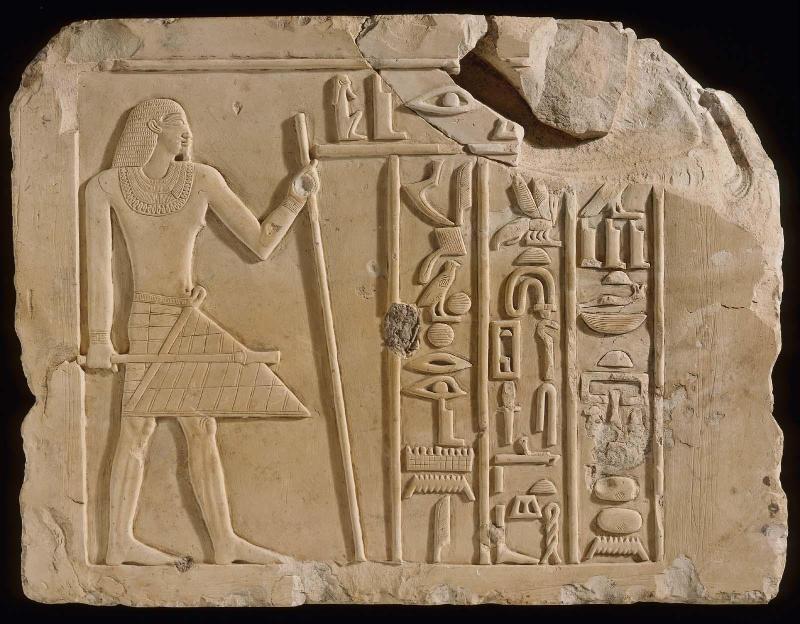
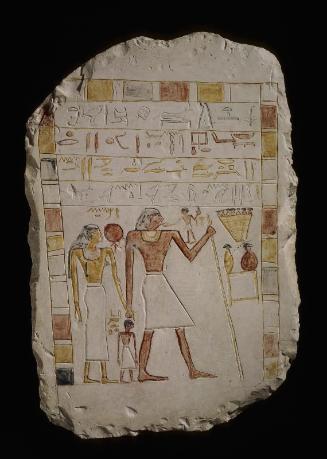
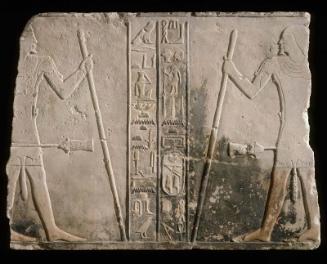
Meny, whose full name was Menankhpepy, held a number of administrative titles associated with the pyramid estates of 6th dynasty kings Pepy I and Merenre. This funerary stele comes from his mastaba at Dendera in southern Egypt. Meny stands at the left, while the rest of the stele is occupied by an offering seeking offerings from the funerary god Osiris. The high raised relief and carefully detailed hieroglyphs are characteristic features of the workshops of Dendera at this time.
Inscriptions(1) "[An offering which the king gi]ves, (and) Osiris (2) in all his places,that offerings be invoked for (3) the seal-bearer of the King of Lower Egypt, estate manager, sole friend, lector priest (4) the honored one before Osiris, Meni." (Leprohon)ProvenanceFrom Dendara. 1898: excavated by William Flinders Petrie for the Egypt Exploration Fund; assigned to the Egypt Exploration Fund in the division of finds by the government of Egypt; presented to the MFA at the general meeting of the EEF.
(Accession Date: November 1, 1898)
(Accession Date: November 1, 1898)

2323–2061 B.C.

2575–2550 B.C.
2143–1991 B.C.

2431–2323 B.C.
2431–2323 B.C.

1295–1186 B.C.
1971–1926 B.C.
2323–2150 B.C.
305–282 B.C.
1349–1336 B.C.