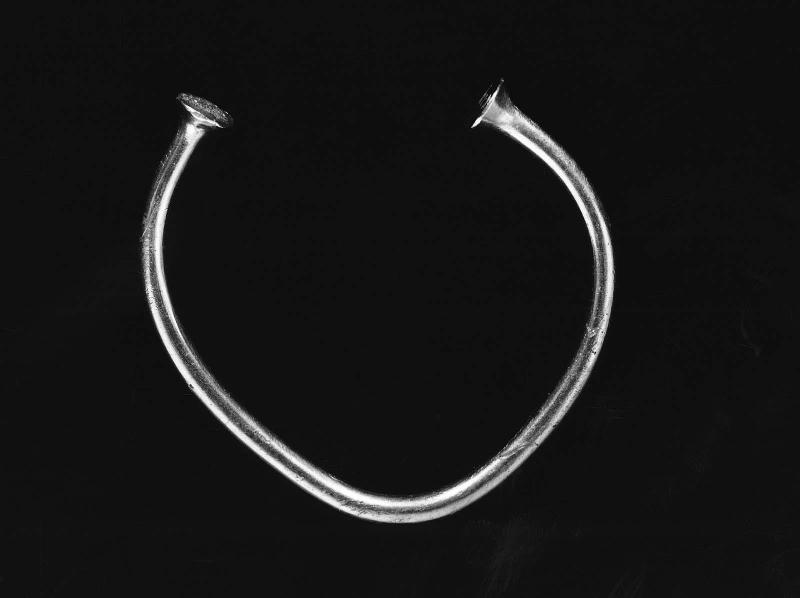
Penannular armlet
about 800–750 B.C.
Medium/TechniqueMetal; gold
Dimensions6.98 cm (2 3/4 in.)
Credit LineGift of the Eire Society and Harriet Otis Cruft Fund
Accession number50.9
On View
Not on viewClassificationsGold
Collections
ProvenanceMay, 1864, discovered by Augustus Henry Pitt Rivers (b. 1827 - d. 1900) at Ballycotton, near Cloyne, County Cork, Ireland; taken to England and kept at the Pitt Rivers Museum, Farnham, England; 1936, sold by the Pitt Rivers Museum, through John Hunt (b. 1900 - d. 1976), Dublin and London, represented by Goldschmidt Galleries, New York, to William Randolph Hearst (b. 1863 - d. 1951), New York and Los Angeles [see note 1]; July 11, 1939, Hearst sale, Sotheby's, London, lot 362, bought in; 1941, sold by Hearst to Berry-Hill Gallery, New York; 1950, sold by Berry-Hill to the MFA for $500. (Accession Date: January 12, 1950)
NOTES:
[1] The provenance information for MFA object nos. 50.8-50.10 was generously shared and clarified by Brian O'Connell, Shannon Heritage Trust (correspondence of August 13, 2008, in MFA curatorial file). Anthropologist Augustus Henry Pitt Rivers served in the British Army at Cork between 1862 and 1864.
NOTES:
[1] The provenance information for MFA object nos. 50.8-50.10 was generously shared and clarified by Brian O'Connell, Shannon Heritage Trust (correspondence of August 13, 2008, in MFA curatorial file). Anthropologist Augustus Henry Pitt Rivers served in the British Army at Cork between 1862 and 1864.
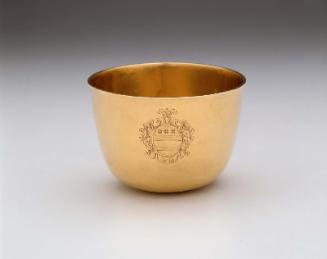
18th century
18th century
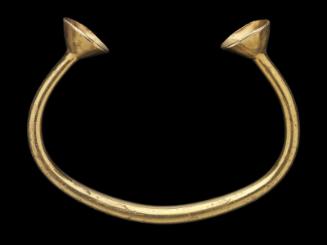
about 800–750 B.C.
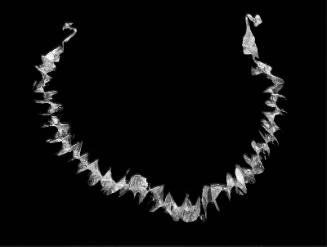
about 1200–1000 B.C.
about 1840
1798–1809
1777
about 1760