
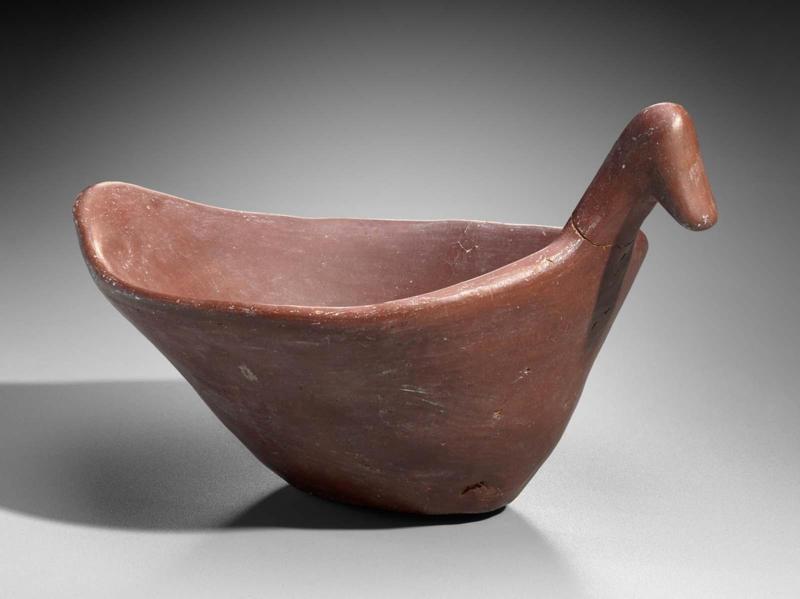

Bowl in the form of a bird
Naqada I–II, 3850–3300 B.C.
Findspotel-Mahasna, Egypt
Medium/TechniquePottery: Nile silt clay
DimensionsHeight x width x length: 5.5 x 11 x 15.7 cm (2 3/16 x 4 5/16 x 6 3/16 in.)
Credit LineEgypt Exploration Fund by subscription
Accession number09.379
On View
On viewClassificationsVessels
Collections
Potters used a type of highly polished red Nile clay to create lively and appealing vessels incorporating human or animal elements. Here, a semicircular bowl takes the form of a bird. The modeled head of a duck extends gracefully from one side of the bowl, while the body approximates the shape of a waterfowl with an upright tail. The Egyptians would continue to produce vessels in the form of plants and animals for the next three millennia.
ProvenanceFrom el-Mahasna, Tomb H. 39. 1908-09, excavated by Edward R. Ayrton and W. L. S. Loat for the Egypt Exploration Fund; assigned to the Egypt Exploration Fund by the government of Egypt; given to the MFA by the Egypt Exploration Fund.
(Accession Date: October 1, 1909)
(Accession Date: October 1, 1909)
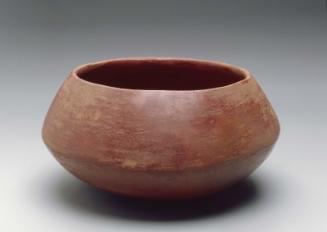
Naqada I, 3850–3650 B.C.
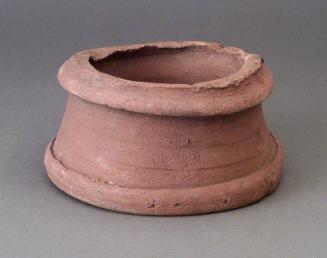
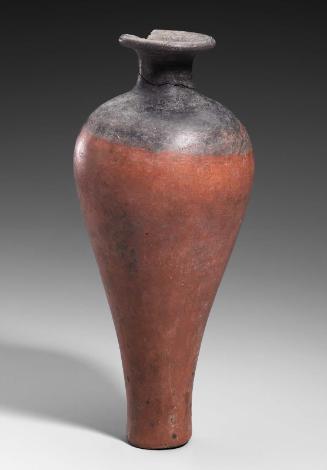
2960–2465 B.C.
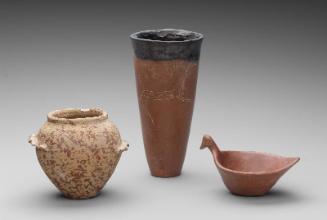
Nagada I, 3850–3650 B.C.
pre-Badarian, Merimda Culture, 5th millennium B.C.

2575–2528 B.C.
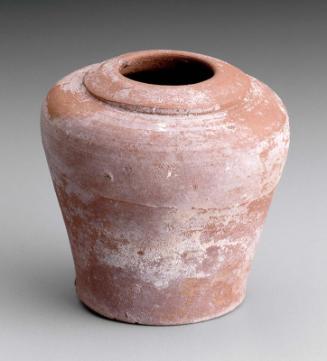
2575–2528 B.C.
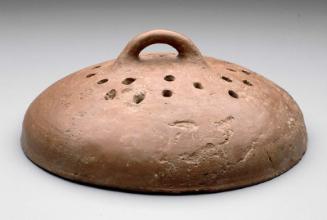
2575–2528 B.C.
2575–2528 B.C.
2575–2465 B.C.
2575–2528 B.C.
2575–2528 B.C.